What a tailor can fix, what it costs, and what to skip
A $15 hem does more for how you look than a $150 shirt. Here is what to bring a tailor, what to pay, and what is not worth fixing.
August 3, 2026 · 3 min read

You can own good clothes and still look a little off. Usually it is not the clothes. It is that they were cut for an average body, and nobody actually has one.
The fix costs less than you think. A tailor is the cheapest upgrade available to anyone who already owns clothes, and most guys never go because they assume it is a suit thing that costs a fortune. It is neither.
The three alterations worth doing on almost anything
Hemming pants is the big one. Off the rack, most pants ship with a 32 or 34 inch inseam because that covers the widest range of buyers, which means they are too long for almost everyone. A hem runs $12 to $20 at a normal alterations shop and takes a few days. Get chinos hemmed so they just kiss the top of your shoe with a slight break, or no break at all if you want a cleaner line. If they came cuffed, say so, the tailor can rebuild the cuff.
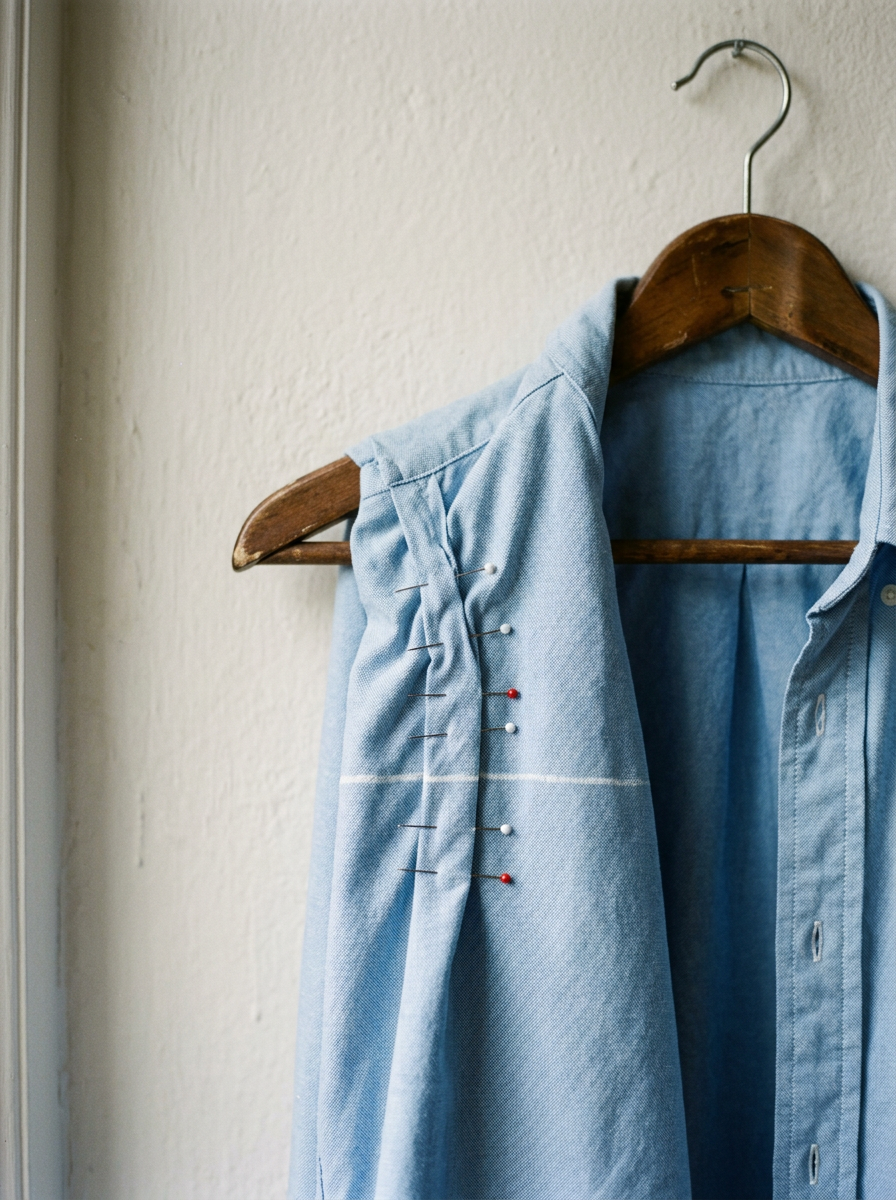
Shortening sleeves is second. A shirt sleeve should end right where your wrist meets your hand. Sleeve work on a casual shirt runs $18 to $30. On a jacket it climbs, sometimes past $60, because the buttons have to move with it.
Third, taking in the body. If a shirt fits your shoulders but billows at the waist, a tailor takes in the side seams for $20 to $35 and it reads like the shirt was made for you. Shoulders are the one thing you cannot cheaply fix, so buy for shoulders and let a tailor handle everything below them. That single rule changes how you shop. Our fit guide covers the three checks that tell you whether something is worth the trip in the first place.
What to skip
Not everything is worth the money. A $25 alteration on a $20 shirt is a bad trade, and some jobs come out wrong no matter who does them.
Skip jacket shoulder adjustments. The tailor has to take the whole thing apart and put it back together, the bill lands north of $100, and the result is rarely clean. Skip anything that means relocating a pocket. Skip re-cutting the rise on jeans. And go easy on tapering denim below the knee, because the leg opening on most modern pairs is already about right, and an aggressive taper leaves you with a pinched silhouette that no amount of stacking saves. If you are still deciding which pair to buy, start with the denim guide before you start altering.
Finding someone, and talking to them
Skip the dry cleaner counter that ships everything out to a third party. You want a shop with a machine visible behind the counter and a person who asks you to put the garment on. Search "alterations" rather than "tailor," since the good neighborhood shops rarely call themselves tailors.
Wear the shoes you plan to wear with the pants. This is the mistake everyone makes. Hem length depends entirely on the shoe, and a hem set over chunky sneakers will drag over anything sleeker.
Then just say what you want in plain language. You do not need vocabulary. "These are too long, I want them to sit right on top of my shoe" works perfectly. Let them pin it, look in the mirror, and speak up if it looks wrong. Pins move. A finished hem does not.
A realistic first trip
Pull three things you already own and never wear because something about them bugs you. Odds are two are fixable for under $40 total. Most shops turn work around in three to seven days, and most will rush it for a small premium if you ask.
The math is hard to argue with. Sixty dollars spread across three garments you already own does more for how you look than $200 on a new one, because you are converting dead closet inventory into things you actually reach for. Most guys do not need more clothes. They need the ones they have to fit.
And if you want to see how a piece will sit on you before you commit to buying it, let alone altering it, Style.it puts it on your body first.
Take your two longest pairs of pants in this week. Fair warning: once they come back, you will notice every bad hem you walk past.